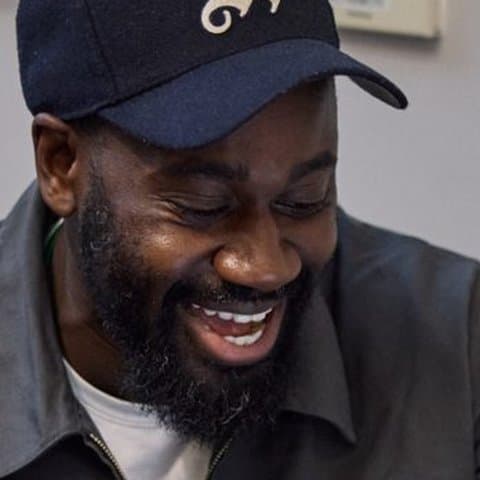
Marcelo Cohen Freeman was five when he left Angola for the United States.
His mother was one of Angola's first Fulbright scholars and moved with him to New York to study at Syracuse University.
For Marcelo, America felt like a dream. He remembers selling lemonade and being amazed that there were four seasons.
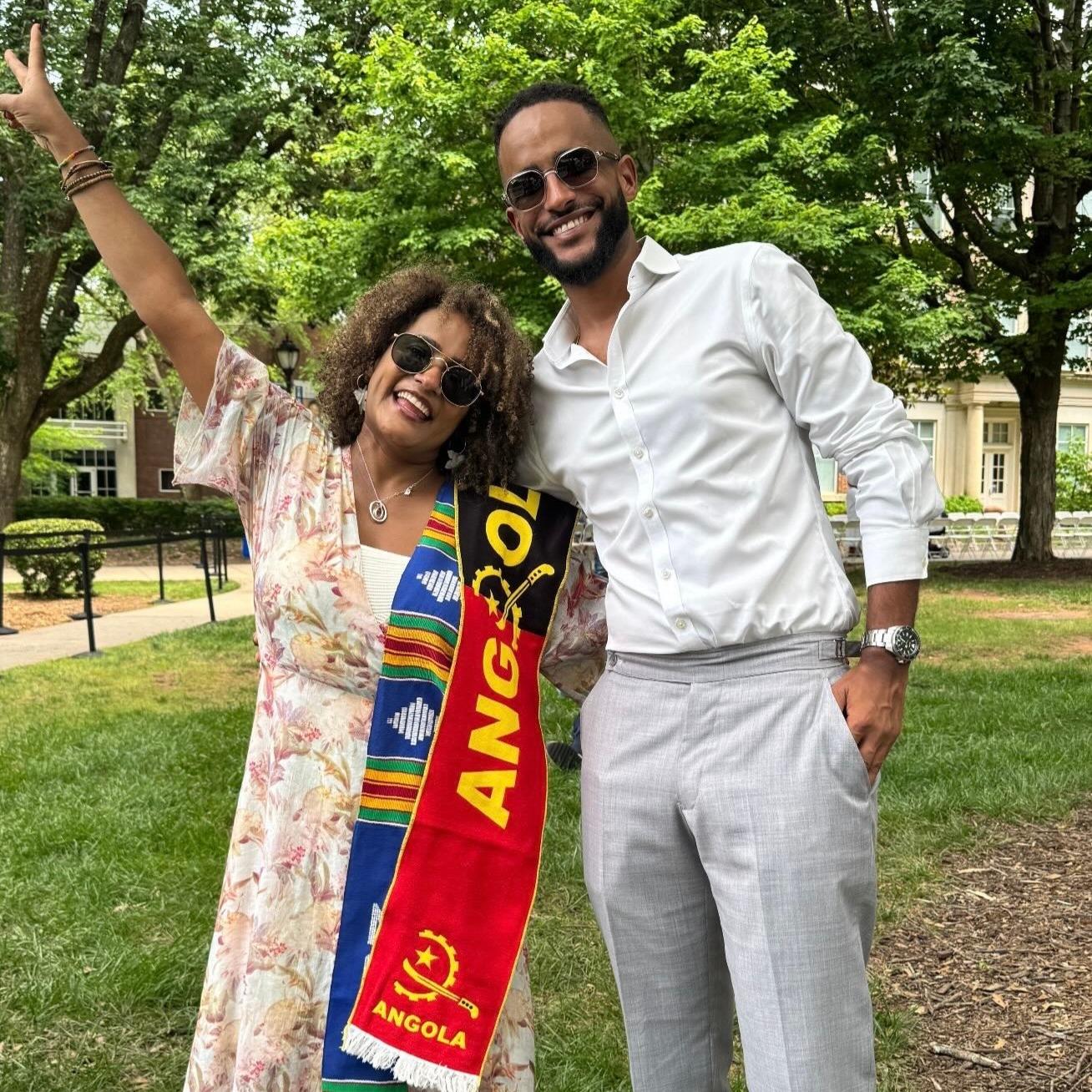
Then Angola's civil war ended in 2002, his father was offered work back home, and the family returned the following year.
Marcelo was nine, and returning was hard. He spent years comparing Angola to America and wondering why life at home seemed to have so much less of what he'd seen abroad.
He eventually left Angola again. First for New York for a year of high school, then Lisbon, and later Glasgow, where he studied economics.
For a long time, all that movement left him feeling like he didn't quite belong anywhere, not even Angola.
What changed that feeling was his family.
His American grandfather was a civil rights activist who raised him on Dr King and Malcolm X, and taught him to speak up and care about social causes. His Angolan grandfather made him feel patriotic.
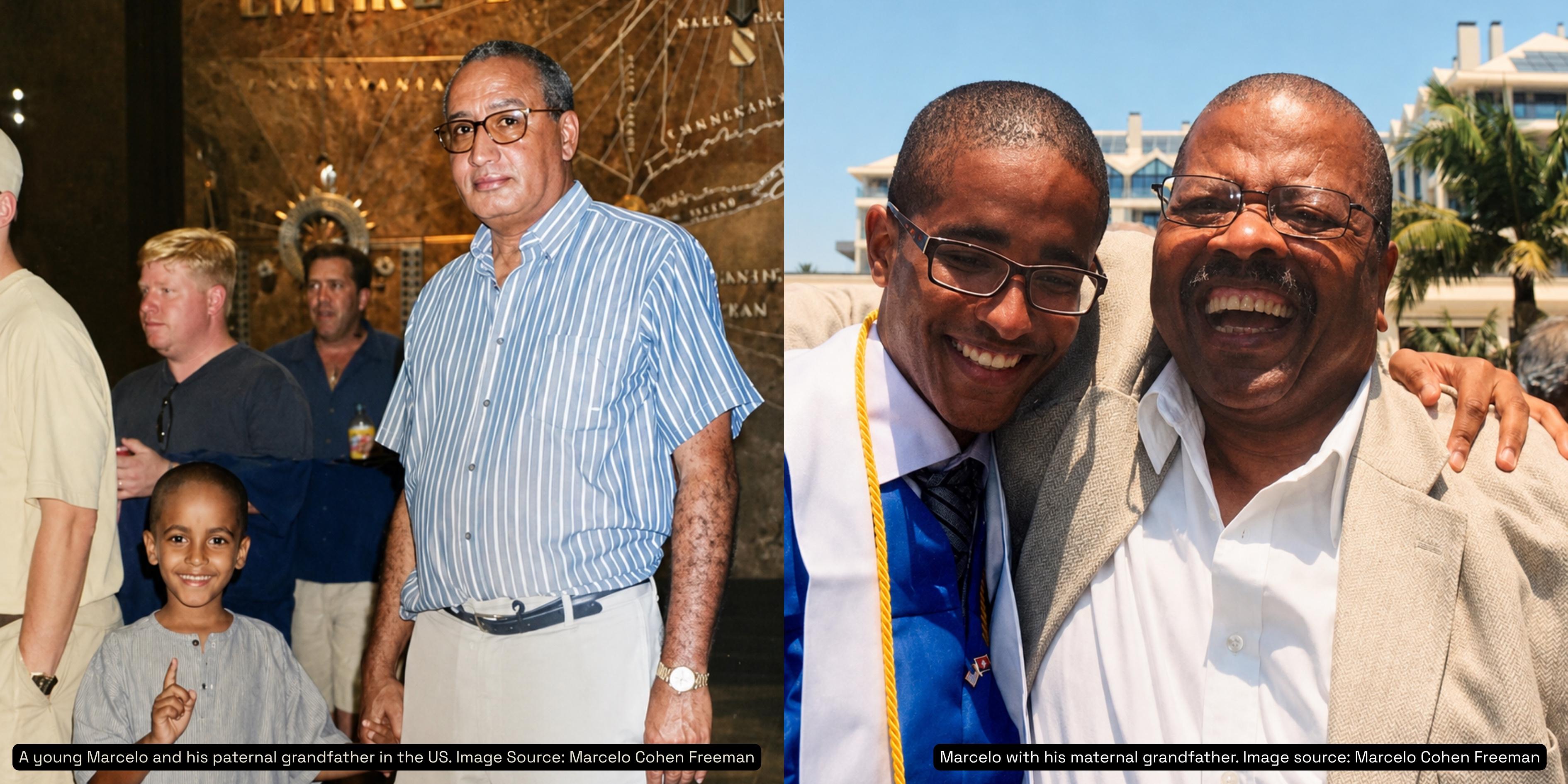
When Marcelo was a teenager, his Angolan grandfather would tell him: "You have to go back. You're an investment. Angola needs people like you."
At the time, he thought it was just something old men say to their grandsons.
But it stayed with him, and so did his mother's career at UNICEF, UNAIDS, the World Food Programme, and now the board of ADRA, one of Angola's largest civil society organisations.
Between the two of them, the choice in front of him stopped looking complicated.
"I can live in nice places and follow their rules," he says, "or I can go back home and make rules that make my country a nice place too."
So, five weeks after graduating from Glasgow in 2015, Marcelo moved back to Luanda and joined General Electric's Financial Management Program.
It went badly. He had come home to change things and found himself the least experienced person in every room he walked into, with a fresh degree and no standing to argue from.
He says that first attempt was "way too rough."
Six months later, he left Luanda for Portugal for his master's.
While he was finishing it, EY recruited him out of the study room. He lasted six months there, then quit in February with nothing lined up.
Then his father, a methodical man who had pushed him to have a job signed before he even had a degree, helped him build a plan to get into McKinsey. One case study a day, February to April, plus coaching from people who already worked there.
The offer came in April, and the job was in Luanda. So Marcelo left Lisbon and went to Angola again, in 2019.
This time it worked, and not because Angola had changed.
At McKinsey, he was put on public policy projects with the Angolan government, and that was the thing he hadn't found in 2015: a way to contribute to the country without needing to be inside it, or to win an argument with anyone.
Today, Marcelo works on public finance and social policy, pushing for stronger spending on social services. Some of that work has contributed to increased budgets for children with disabilities, and some of it is much smaller, like a comic book that teaches children how government budgets work by comparing them to making a cake.
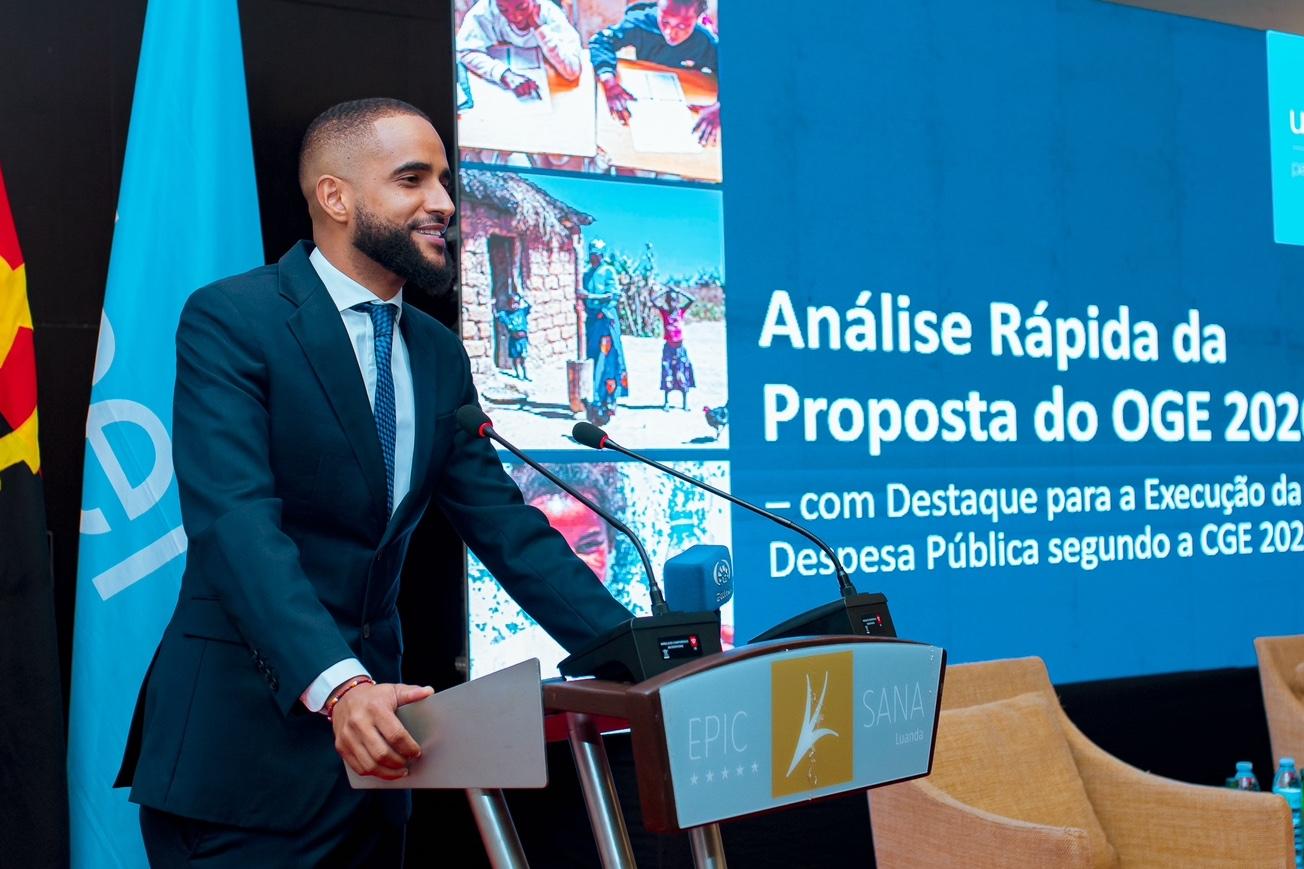
Which means he is now doing a version of his mother's job.
She received a leadership award a few years ago, and Marcelo went to watch her collect it. The room was mostly women, and she was speaking to them, but he heard it aimed at him too.
"This is my country. This is where I feel the most valued, and this is where I feel that I want to help."
His Angolan grandfather never heard that speech. Both of Marcelo's grandfathers died during COVID, twelve months apart.
At his Angolan grandfather's funeral, Marcelo watched people rally around his mother and aunt. Some were people the family hadn't seen in years, but they still showed up.
"It's not only about giving," he says. "It also comes from a place of receiving."
His grandfather had spent years telling him he was an investment in Angola. Standing at that funeral, he understood that it also ran the other way.