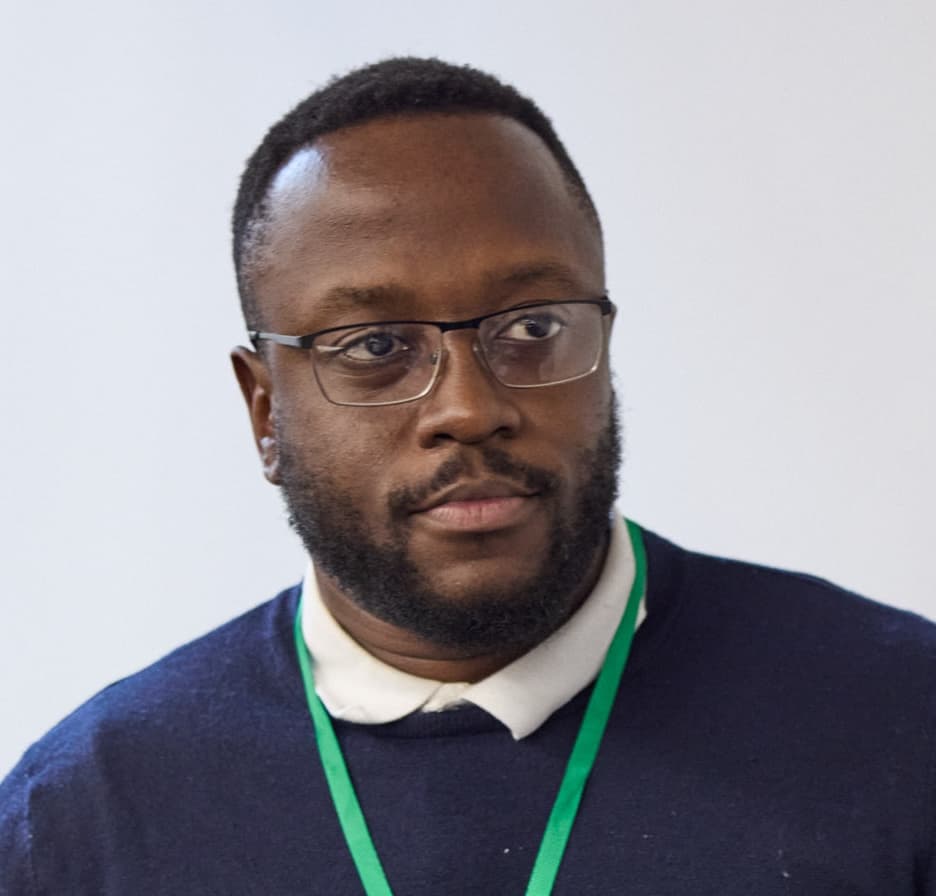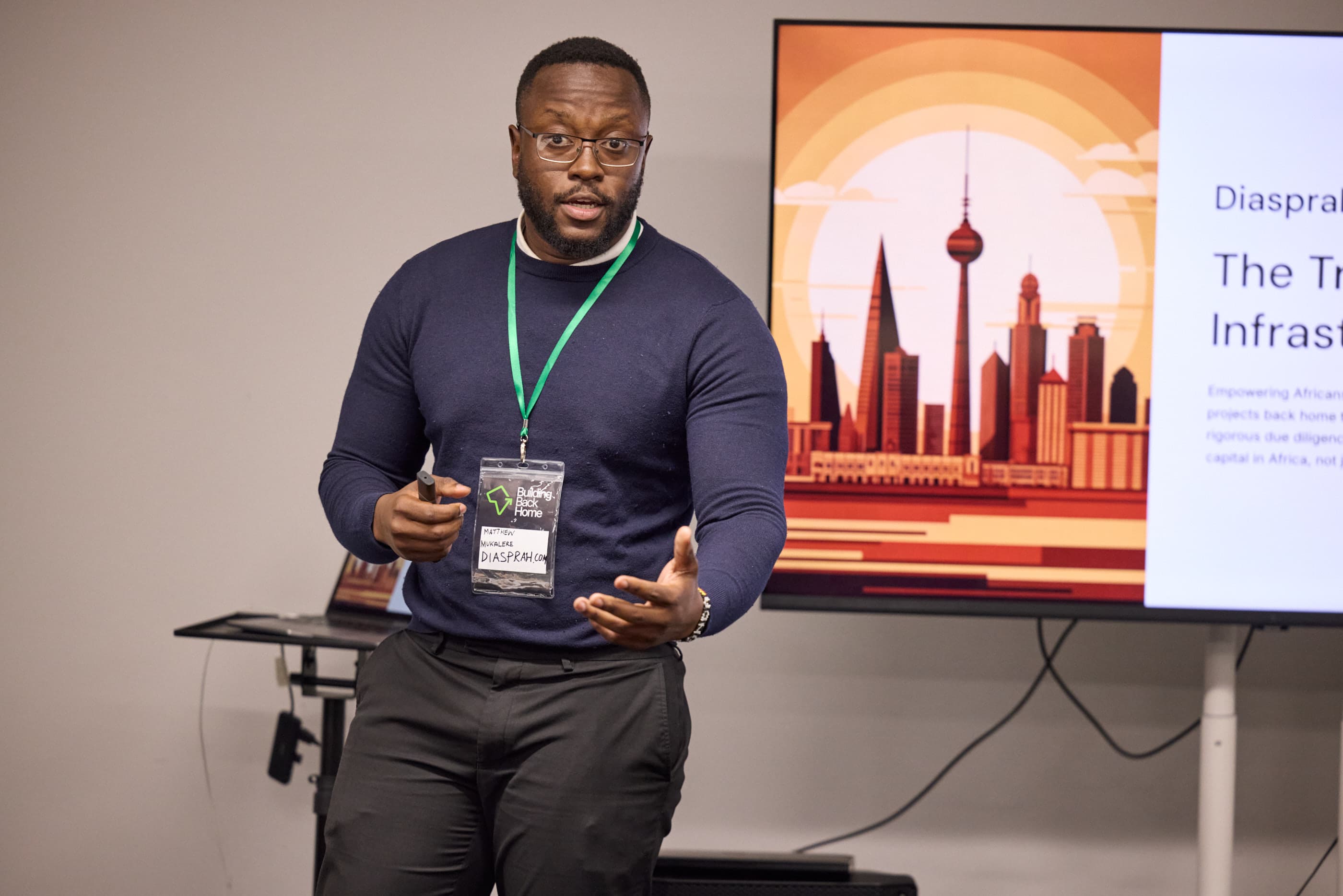
Matthew Mukalere quit his dream job at BlackRock to build boring businesses in Uganda.
He’d spent five years trying to find a way back home. He tried startups. He flew across Africa on weekends. He nearly took jobs in Nairobi.
Then he joined the Building Back Home fellowship and realised his way into Africa had been waiting at home, in a building his mum couldn't finish.
She had been putting up a four-storey commercial property in Jinja, Uganda, but ran out of money after being scammed. Matthew put in $15,000 of his own money, flew out to Jinja and got it finished himself.
Today, that building sits on one of Jinja's busiest streets, makes about $50,000 a year in rent, and is paying for itself.
He also hired the workers who built it and kept them on. They now work on other construction projects around Jinja, and Matthew is reinvesting what he earns into that business and into manufacturing.
Matthew was born in London to Ugandan parents. Every summer, they took him back to Uganda.
Then, at 14, his father died suddenly while on holiday. And Matthew felt he had to become the man of the house.
He threw himself into school, won a scholarship to study computer science at the University of Kent and graduated with a first-class degree.
After university, he worked in the computer science department. One of his professors eventually asked him to start a company together.
In 2019, they launched Verifiable Credentials, a protocol that let people store documents such as passports and driving licences on their phones and prove they were authentic.
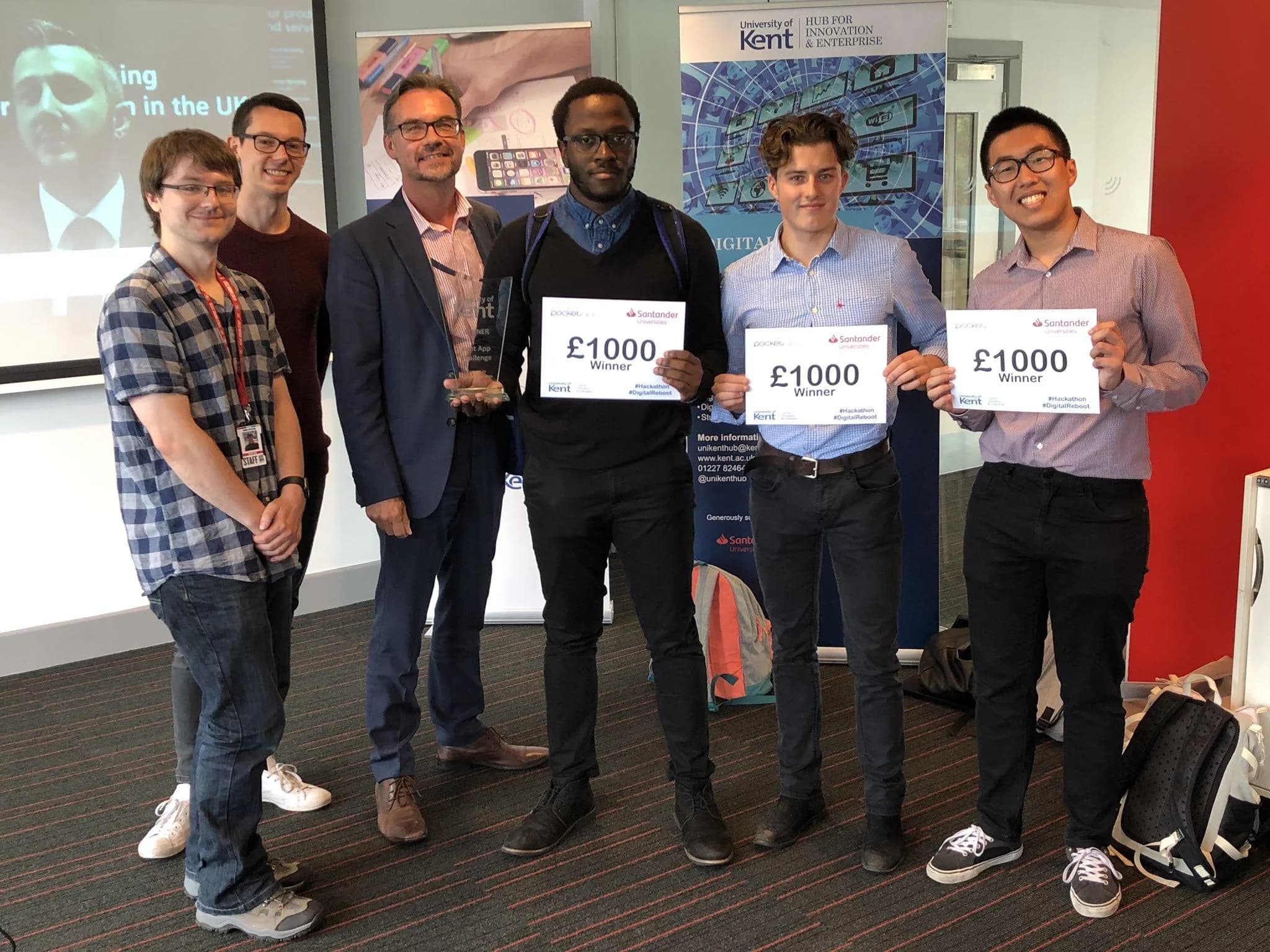
When COVID hit, they built a contactless vaccination passport app and rolled it out across hospitals in their area. That same year, the company was acquired for about £2.75 million.
Matthew got £4,000.
As a broke graduate who didn't expect the company to succeed, he'd taken a higher salary instead of equity.
In 2020, a one-week trip to Uganda turned into a year when COVID lockdowns kept him there. It was his first time living in Uganda as an adult, and he discovered a tech scene with founders, startups, and a community around them.
He decided his next startup would be built there. Instead, he took a job.
In 2021, Matthew joined BlackRock in London. He gave himself five years at most before moving back to Uganda.
He spent those five years trying to make it work.
In 2023, he convinced his manager to let him represent BlackRock at the Africa Tech Summit in Nairobi. He saw a tech ecosystem bigger than Uganda's, with more venture capital, startups, and talent arriving from across Africa and abroad.
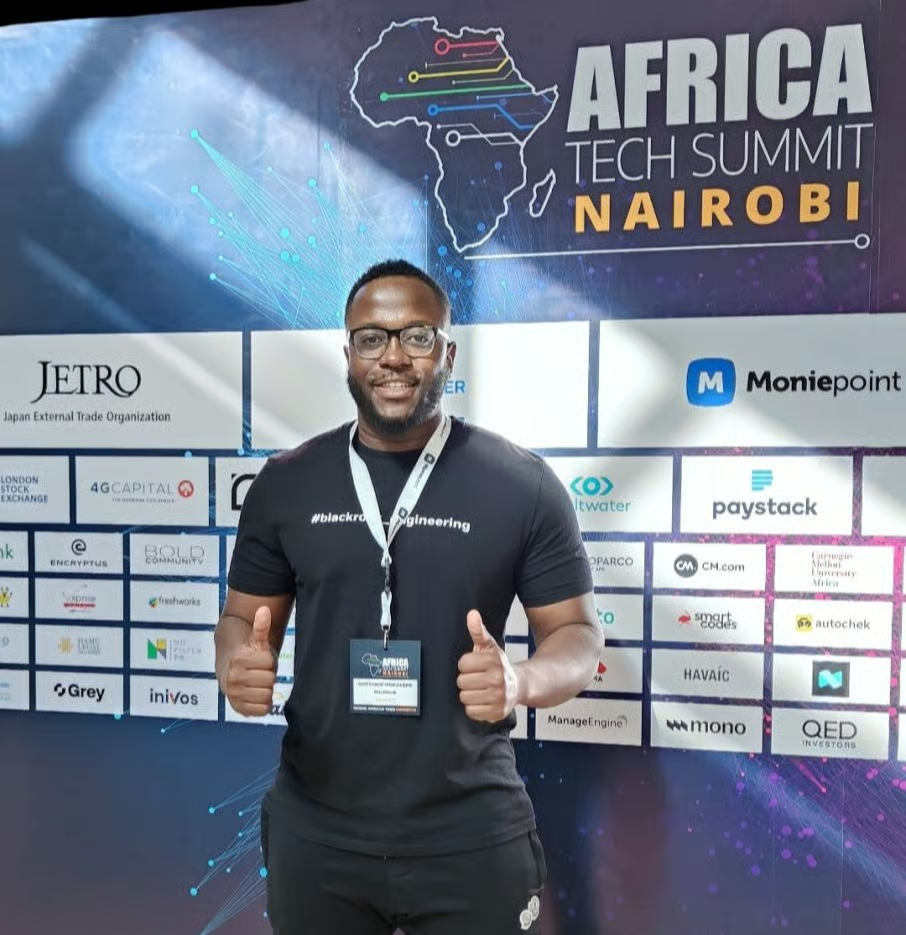
Founders offered him jobs, and he even nearly left BlackRock.
But none of those roles would give him the impact he wanted to have on the continent, so he stayed and tried building from London instead.
His next startup was called PanAfricash, a stablecoin platform for sending money between African countries. But the startup needed licences, regulatory approval, and a team on the ground. Matthew had none of those, so he shut it down.
Then he built Stella, an analytics tool for small businesses, with colleagues at BlackRock.
It failed too.
So Matthew started "Africa for a Weekend", flying from London to a different African country on weekends.
The failures and the trips taught him the same thing: building something impactful in Africa required being there.
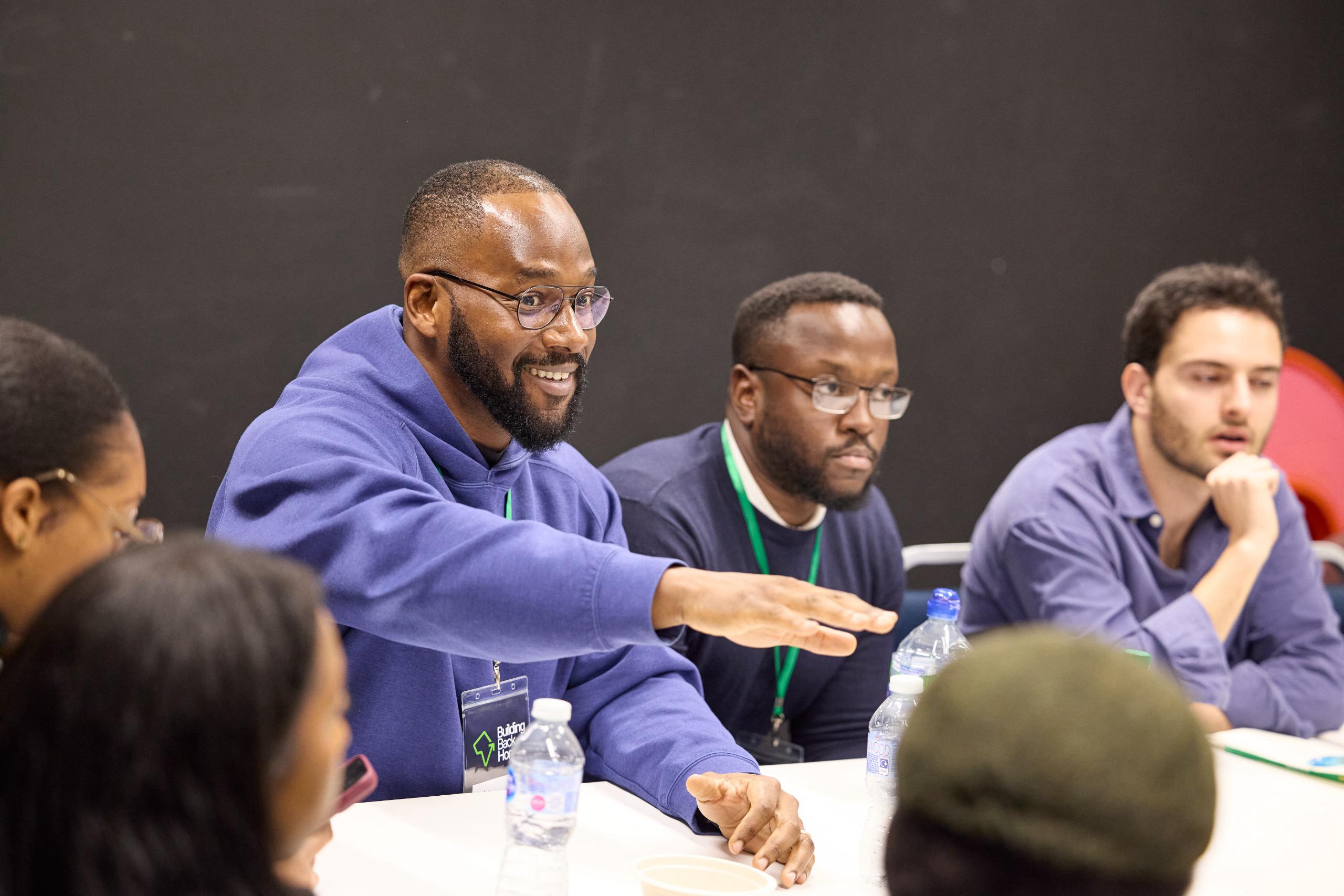
In October 2025, he joined Building Back Home, our fellowship for Africans in the diaspora who want to build on the continent. At the time, he was building a platform for verifying projects on the ground.
Then his mum called with an emergency.
She had been building a four-storey commercial property in Jinja. Around the second floor, she was scammed and lost most of her money. Construction stalled, leaving a shell of cement and blocks.
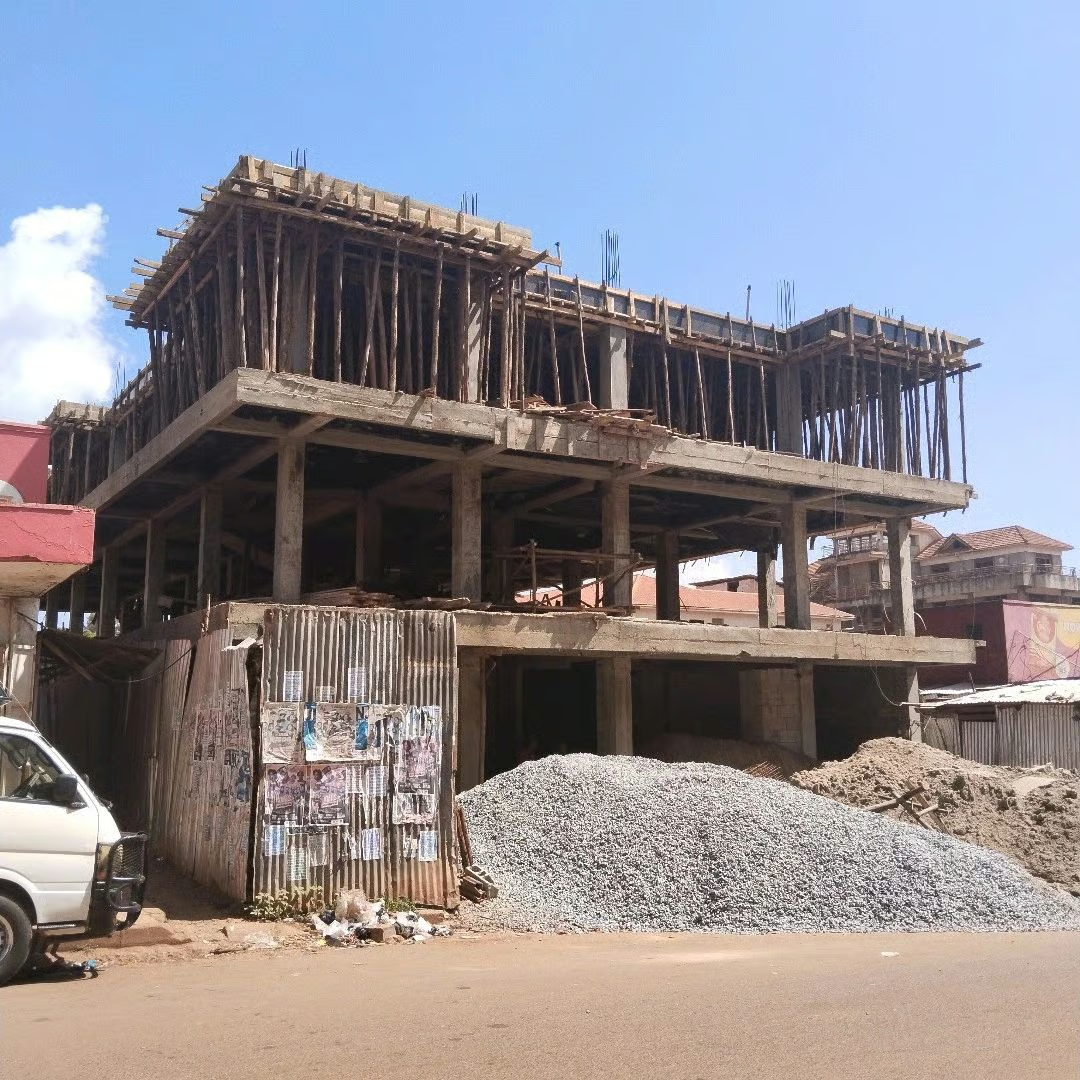
She needed about $15,000 to reach the next critical stage.
Years of saving and investing while working at BlackRock meant Matthew had the money, so he put it in.
During the programme, he flew to Jinja to see the site for himself and make sure the work got done.
He set up a construction company to finish it, formally hiring workers who had only ever had informal jobs and paying them double what they would usually earn.
The building sat on one of Jinja's busiest streets. Once traders saw the shops being completed, they started offering to pay upfront to secure space.
Matthew sold the shops himself, and all 20 shops were taken within five days.
The construction team stayed on, and they now work on other building projects around Jinja.
The tenants sell soap, phones, hair, and bags. Some run salons. They are the kinds of businesses tech investors rarely look at. But they pay their rent.
The ground floor brings in about $25,000 every six months, or roughly $50,000 a year. Its rent has now funded the first floor, which opened this year.
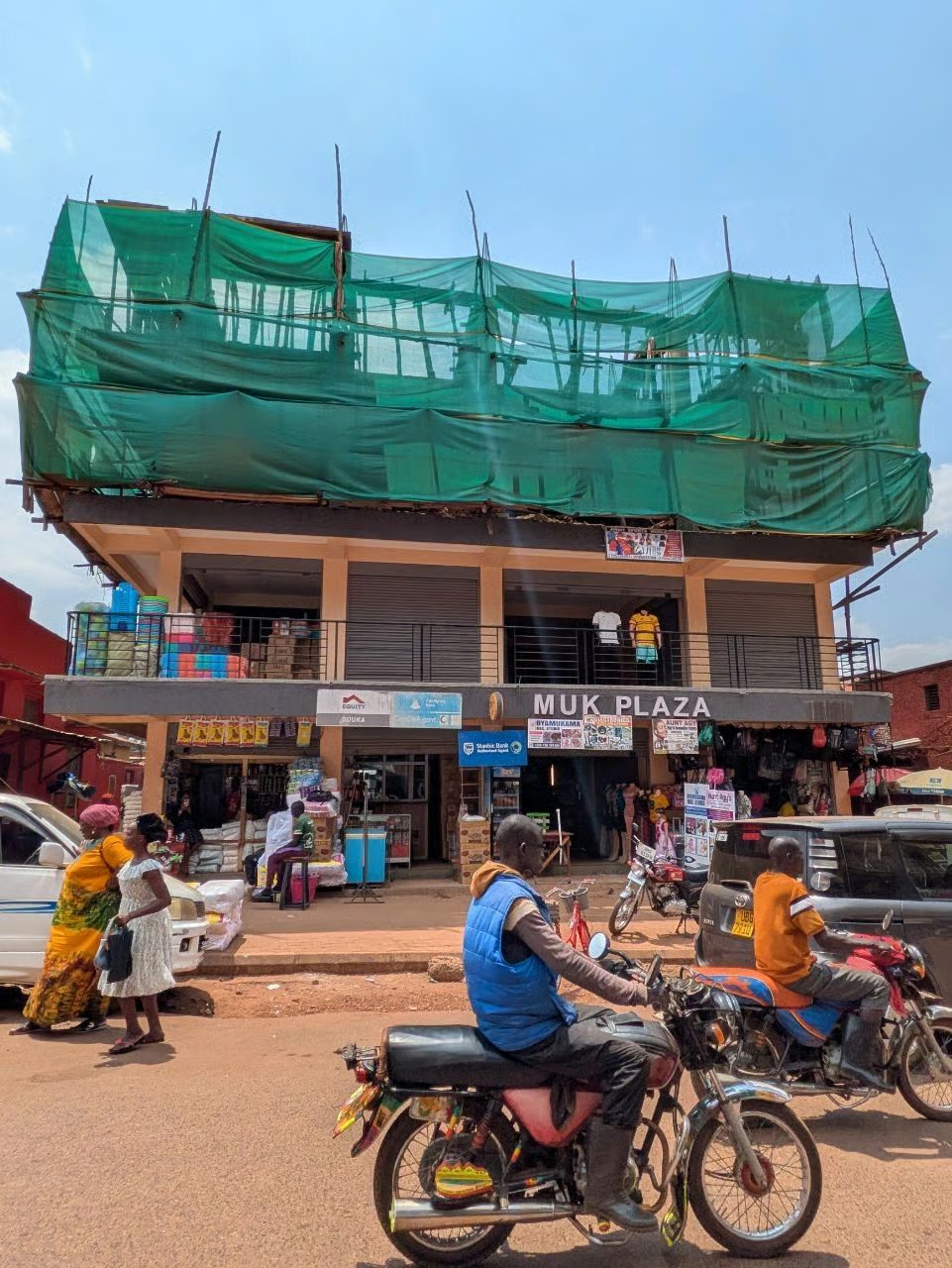
For Matthew, the building changed what he thought the opportunity looked like.
Tech was still useful. But some of Africa's biggest opportunities, he realised, might be sitting in businesses that are far less exciting.
Building Back Home gave him the push to make the move for good.
This year, five years after joining BlackRock, Matthew left London and moved to Uganda permanently. He's 29 and plans to spend the rest of his working life building those businesses.
His next project is a small motel or guest house. Longer term, he plans to reinvest his profits into manufacturing goods that replace imports and into revitalising Jinja, his hometown.
He spent five years trying to find the right idea from London.
He found it by being in Uganda when his mum needed him.