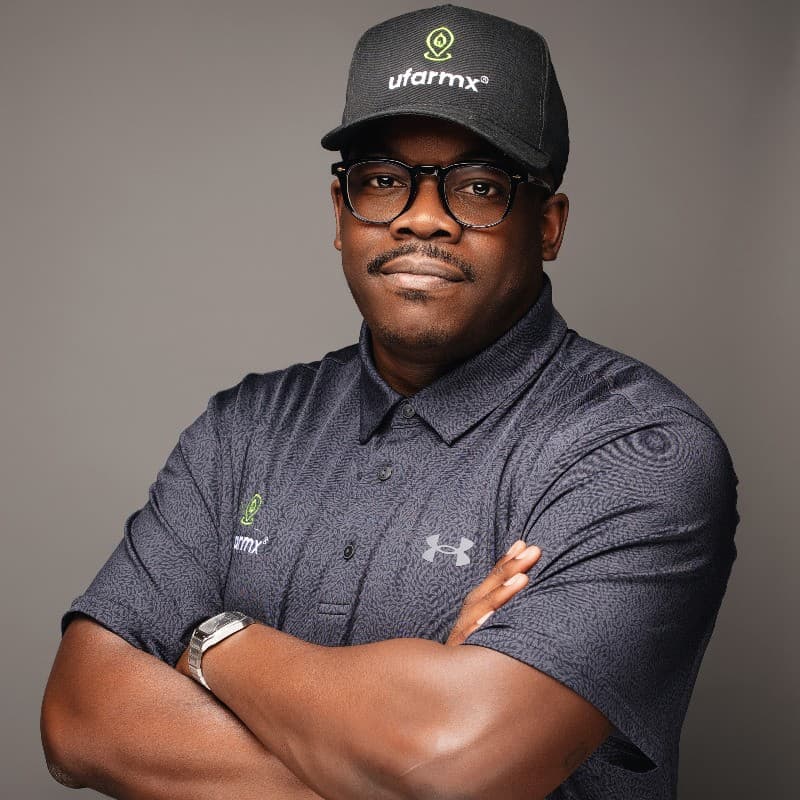
In 2015, Alexander Zanders set out to build a farming business in Nigeria.
His grandmother had given him 2,000 acres, and he planned to build a cassava processing plant and buy produce from local farmers.
Then he started farming himself and discovered that farmers around him weren't producing as much as he was.
They had access to the same land and worked in the same conditions. But while Zanders could afford quality seeds and fertiliser upfront, they couldn't.
So he built a solution to help them get funding.
Today, his company, UFarmX, helps farmers access financing by giving lenders a way to assess them without relying on traditional collateral.
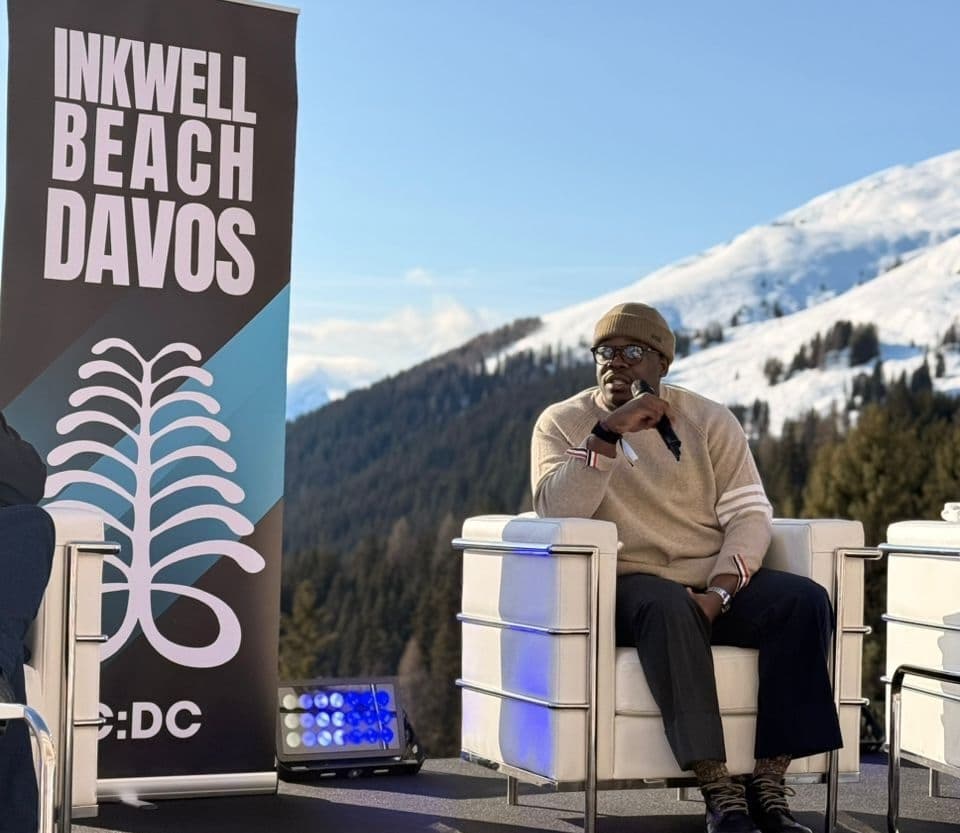
The company has more than 17,000 farmers integrated into its platform across Nigeria, Senegal, and Liberia.
But Zanders didn't start out trying to fix agricultural finance. He just wanted to farm.
His parents were Nigerian, but he grew up in the United States and attended Temple University in Philadelphia.
In his 20s, he traded electronics across international markets, including Nigeria, Dubai, and the Dominican Republic.
He had never had a traditional 9-to-5, and he says he was mostly focused on making money and enjoying himself.
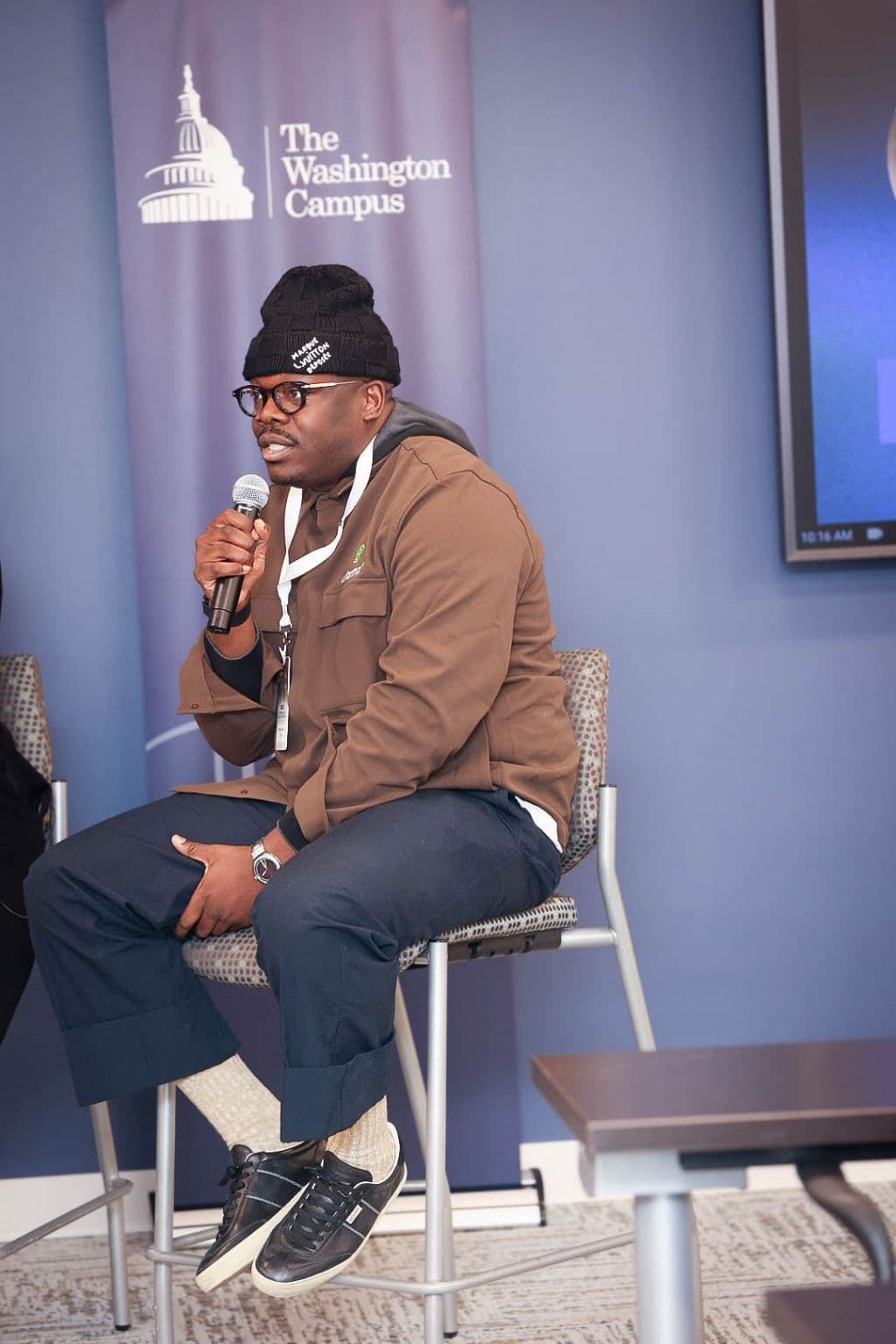
Then his daughter was born, and he began thinking about doing something more meaningful.
A Nigerian friend invited him to the Sunbelt Agricultural Expo in Georgia. The friend farmed soybeans, and Zanders initially assumed agriculture was a business for people who already had money.
But the expo showed him the machinery, businesses, and infrastructure built around food production. He began to see agriculture as an opportunity.
In 2015, he travelled to Nigeria with his daughter for the first time. During that trip, he had a conversation with his grandmother and told her he wanted to farm. She gave him about 2,000 acres of land.
He noticed people processing cassava into garri along the roads and wanted to build a processing plant that would buy cassava from farmers.
But Nigeria's economy was deteriorating, and he wasn't ready to move his young family into that uncertainty.
So he returned with his family to the U.S.
He spent the next few years travelling around Africa, attending conferences and learning about food production.
By 2019, he was ready to try again and do something with the land his grandmother had given him.
That year, he moved back to Nigeria alone and registered UFarmX.
He then started planting cassava, maize, and soybeans to test whether he could farm successfully.
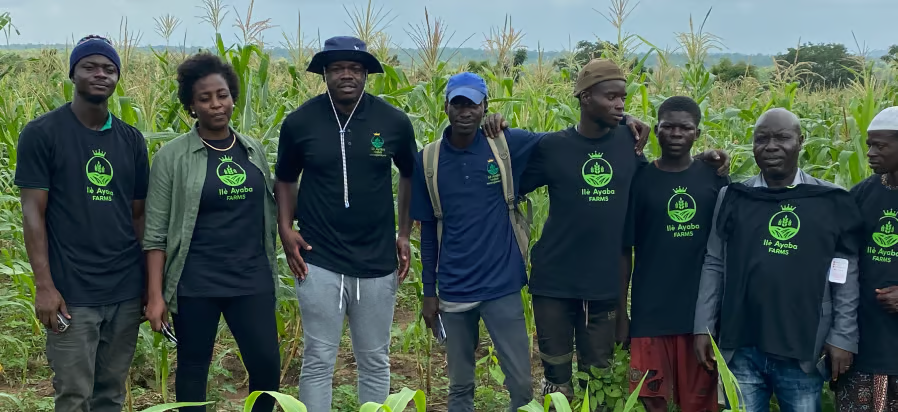
His first harvest produced significantly more than those of farmers around him.
Zanders realised he had an advantage they didn't. He could afford the seeds, fertiliser and other inputs needed to improve his yields. Many farmers had to make do with what they could afford at the start of the season.
He tested an alternative with 15 maize farmers, providing seeds and fertiliser on credit instead of cash. Zanders says their yields tripled and their revenue more than doubled.
That experiment changed UFarmX's direction, and now the company is helping farmers in Africa get financing for farming.
UFarmX uses the data it collects to help financial institutions assess creditworthiness. The aim is to make farmers who lack conventional collateral easier to evaluate and finance.
His ambition is to build what he calls the “Equifax experience” for agricultural lending across Africa. That means a technology layer financial institutions can use to assess farmers and deploy capital to them.
Within the next year, Zanders says he will launch an enterprise product that lets lenders use its technology through an API and send capital directly to farmers.
When Zanders first went to see his grandmother’s land, he noticed white powder along the roads. Farmers were drying ground cassava in the sun to make garri.
He wanted to build a plant that would buy from them. Instead, he built a way for farmers like them to get credit.